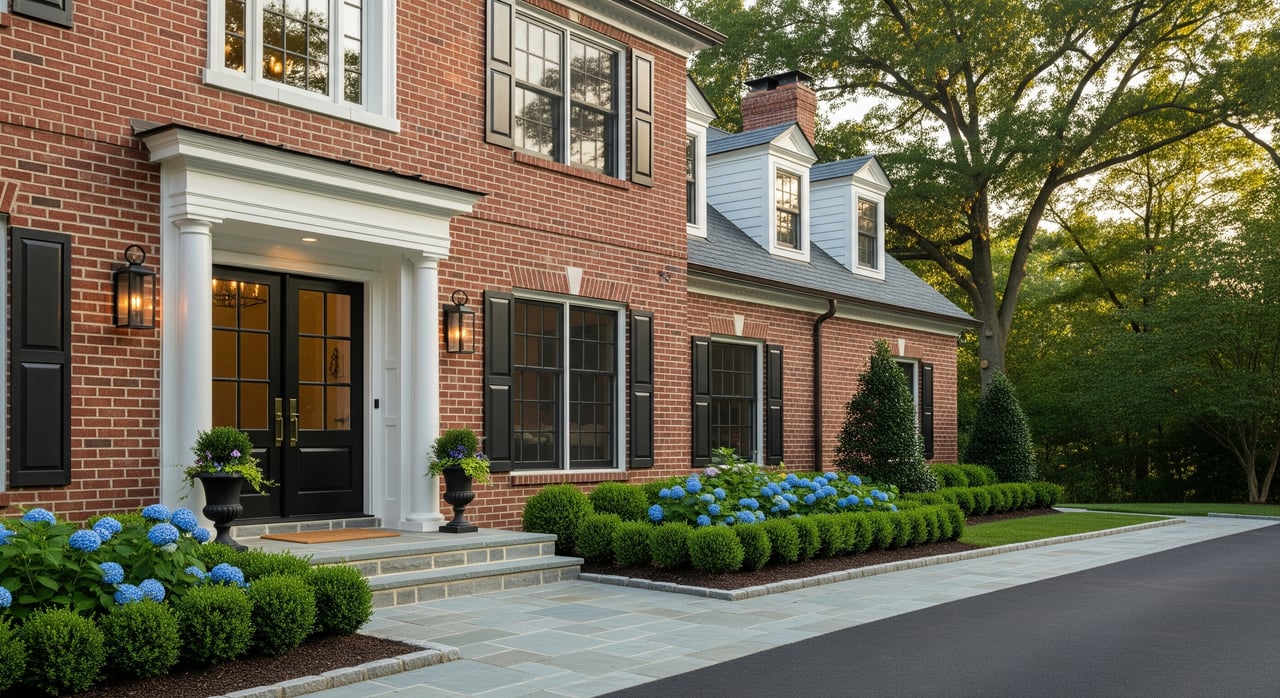
Planning to sell your Chantilly home this spring and wondering which updates matter most? You are not alone. Buyers across Fairfax County expect clean, bright, move-in-ready spaces, and the right fixes can help you stand out without overspending. In this guide, you will learn which projects deliver the best bang for your buck, how they fit typical Chantilly floor plans, what they cost, and how to schedule work in time for a strong launch. Let’s dive in.
What Chantilly buyers want now
Chantilly has a mix of 1970s–2000s single-family homes, townhouses, and condos, plus newer infill. Many single-family homes have traditional or semi-open first floors with a mid-sized kitchen, while townhomes often have narrower kitchens and open main levels. Updates that open sight lines, modernize the kitchen, and improve flow tend to perform well.
Local buyers prioritize updated kitchens and baths, attractive and durable flooring, ample natural light with modern fixtures, and strong curb appeal. In a competitive spring market, even modest cosmetic upgrades can drive showings and reduce days on market.
Construction and labor costs in the DC metro are higher than national averages, and lead times for materials can stretch. Matching your updates to your target price band and neighborhood comps helps you avoid overspending while meeting buyer expectations.
High-ROI updates to prioritize
Kitchen refresh
A midrange kitchen refresh is usually the best first move. Focus on cosmetic and functional updates rather than a full gut.
- Scope ideas: paint or refinish cabinets, swap door fronts and hardware, install quartz or granite counters, update the backsplash, and replace the faucet and sink. Improve lighting and consider an appliance refresh if one unit is dated.
- Why it works: the kitchen is a focal selling point. Bright, clean, and functional spaces photograph well and feel move-in ready.
- Typical cost range: minor to midrange refresh $5,000–$25,000; full gut $30,000–$100,000+.
- Expected impact: strong buyer appeal and often faster market response. Midrange refreshes usually outperform full remodels on percentage return.
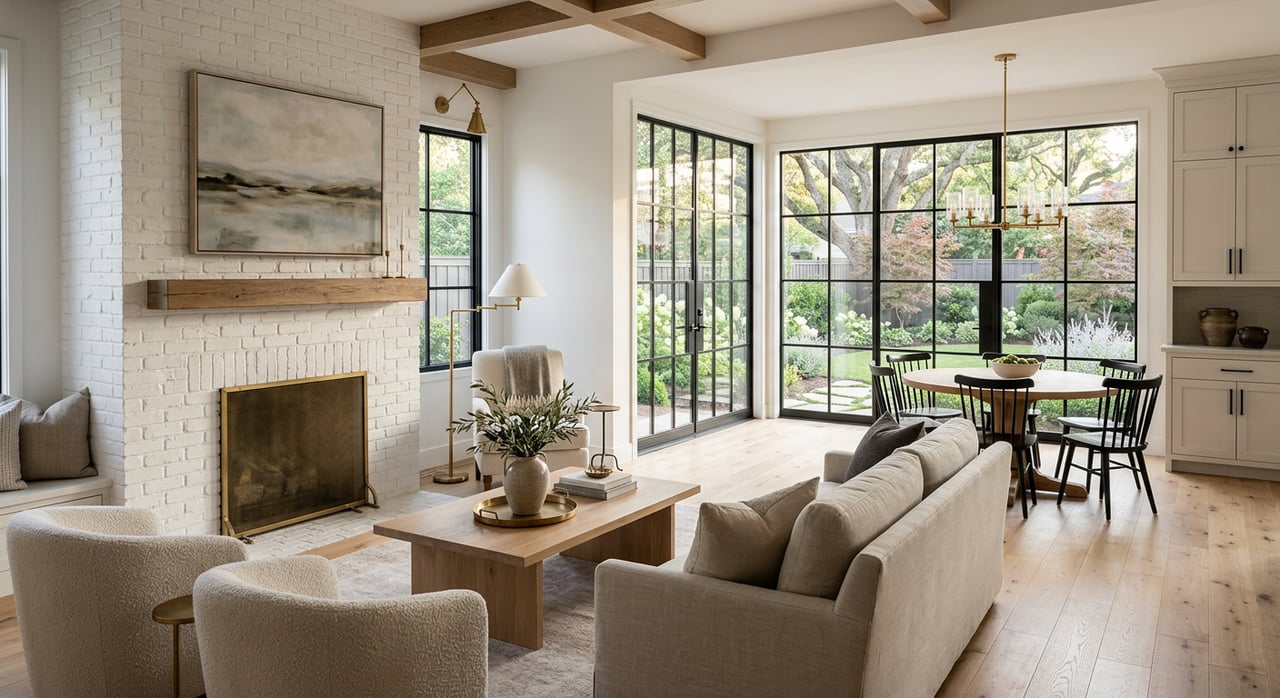
Chantilly tip: In a colonial with a semi-open main level, consider selective opening between kitchen and family room to improve sight lines. In townhomes with narrower kitchens, keep layouts efficient and maximize lighting.
Refinish hardwoods and flooring
Refinishing existing hardwoods or installing quality hardwood-look flooring on the main level creates a clean, consistent look.
- Why it works: Fairfax buyers value durable, low-maintenance floors that elevate photos and in-person tours.
- Typical cost range: refinish 1,000–2,000 sq ft for $2,500–$8,000; install engineered hardwood for $6–$12+ per sq ft installed.
- Expected impact: high visual payoff at a moderate cost, especially if you can restore existing floors.
Chantilly tip: Many local homes have wood under older carpet. If the condition is workable, refinishing beats replacing with lower-grade materials.
Lighting and electrical updates
Layered lighting makes rooms feel larger and more current.
- Scope ideas: new overhead fixtures, recessed lighting in living areas, under-cabinet lighting in the kitchen, dimmers, and fresh switches and outlets. Improve exterior entry lighting for evening showings.
- Typical cost range: fixture swaps and basic work $500–$5,000; new recessed lights or significant rewiring $2,000–$10,000+.
- Expected impact: high perceived value. Good lighting amplifies other updates and improves listing photos.
Chantilly tip: In traditional floor plans with separate rooms, use brighter, consistent color temperatures to visually connect spaces.
Curb appeal essentials
First impressions start at the street.
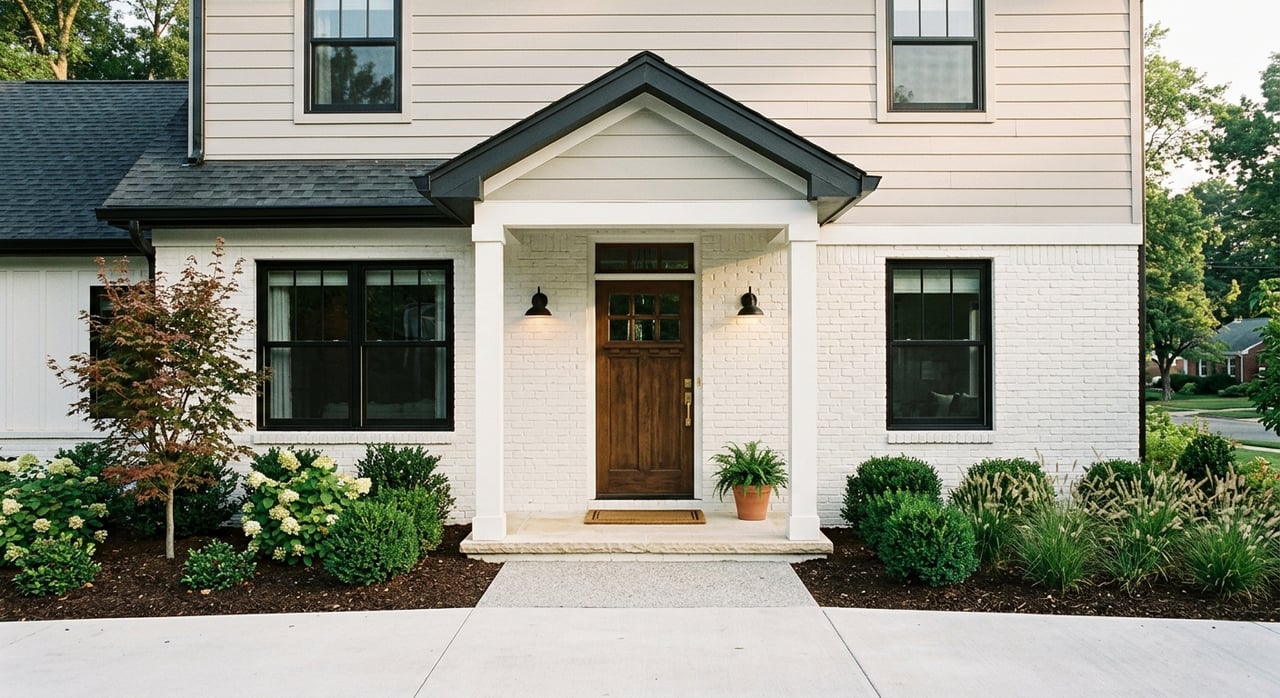
- Scope ideas: tidy landscaping, mulch and simple plantings, power wash, paint the front door and trim, update house numbers, and refresh exterior lighting. Replace or refresh the garage door if needed.
- Typical cost range: landscaping and power wash $500–$3,000; new front door $600–$2,500; garage door replacement $1,500–$4,500+; trim and door paint $1,000–$6,000.
- Expected impact: strong effect on showings and perceived value. Garage and front-door improvements often provide solid payback.
Chantilly tip: Many communities have consistent exterior palettes. Work within neighborhood norms for a clean, cohesive look.
Fresh paint and trim
Neutral paint is one of the highest-impact, lowest-cost upgrades.
- Scope ideas: whole-house interior paint in a light, neutral palette; repair nail pops and cracks; update door hardware; caulk bathrooms and windows.
- Typical cost range: whole-house interior paint for a 2,000 sq ft home $3,000–$8,000; single room $300–$1,200.
- Expected impact: very high. A fresh, neutral canvas helps buyers focus on the home, not dated colors.
Chantilly tip: Choose a warm, light neutral for main areas and keep trim crisp to brighten photos.
Minor bathroom updates
You can modernize baths without a full renovation.
- Scope ideas: reglaze the tub, replace the vanity top and hardware, update lighting and mirror, replace the toilet if needed, and regrout tile.
- Typical cost range: minor refresh $1,500–$8,000; full remodel $10,000–$30,000+.
- Expected impact: positive buyer response at a manageable price, especially when baths are clean and bright.
Chantilly tip: In homes with multiple baths, prioritize the primary bath and the most-used hall bath.
Systems and visible maintenance
Well-documented maintenance reduces buyer hesitations.
- Scope ideas: service HVAC, address visible roof issues, replace very old water heaters, and gather receipts and service records.
- Typical cost range: HVAC service $100–$400; minor system repairs $500–$5,000+.
- Expected impact: lower direct dollar ROI but fewer inspection objections and smoother negotiations.
Chantilly tip: Put maintenance records in a tidy folder for buyers to review during showings.
Plan your project timeline
Spring is busy for contractors, so start early and sequence your work for efficiency.
Smart order of operations
- Agent consult and comps analysis. Define your target buyer, price band, and a budget cap for pre-list work.
- Home inspection or thorough walk-through. Flag safety items, systems issues, and high-visibility cosmetic priorities.
- Permitting review. Structural, major electrical, plumbing, and HVAC work often require Fairfax County permits and inspections. Check current requirements with the county before you begin.
- Contractor bids and scheduling. Obtain multiple bids, confirm availability, and order long-lead items early.
- Exterior quick wins. Landscaping, power washing, and minor exterior repairs can start right away.
- Interior work. Paint, then flooring, then lighting and fixtures, followed by kitchen and bathroom updates, in that order of trades.
- Final cleaning, staging, and professional photos. Schedule after punch-list items are complete.
- Optional pre-list inspection and assemble disclosures.
Typical timelines
- Minor cosmetic updates like paint, fixtures, and landscaping: 1–3 weeks.
- Midrange kitchen refresh: 2–6 weeks depending on scope and lead times.
- Hardwood refinishing for a main level: 3–7 days plus furniture moving time.
- Full remodels or any permitted structural or major systems work: 6–12+ weeks.
Book early in late winter and early spring when trades are in high demand.
Budget roadmaps that work
Every dollar should support your price strategy. Use these examples to prioritize.
Tight budget, about $3,000–$8,000:
- Curb appeal: mulch, trimming, power wash, paint the front door.
- Interior paint for main spaces.
- Lighting and fixture swaps in key rooms.
- Declutter and simple staging.
Moderate budget, about $10,000–$30,000:
- All items above, plus a kitchen refresh such as cabinet painting, new counters, and a modern faucet and sink.
- Refinish main-level hardwoods.
- Targeted bathroom refresh in the primary or hall bath.
Larger budget, $30,000+:
- More extensive kitchen or flooring projects and major exterior upgrades.
- Match the scope to your price tier and nearby comps to protect percentage ROI.
Contractor checklist
Choose pros who will keep you on schedule and on budget.
- Get 3 or more written bids with a clear scope and materials list.
- Verify insurance for liability and workers’ compensation.
- Ask for recent local references and, if possible, view completed projects.
- Confirm payment schedule and warranty terms. Avoid large upfront payments.
- Sign a written contract with start and end dates.
- Use licensed specialists for electrical, plumbing, and HVAC.
- Keep a 5–15% contingency for surprises uncovered during work.
Common Chantilly scenarios
1990s colonial with a semi-open main level
- Open sight lines where feasible to connect the kitchen and family room.
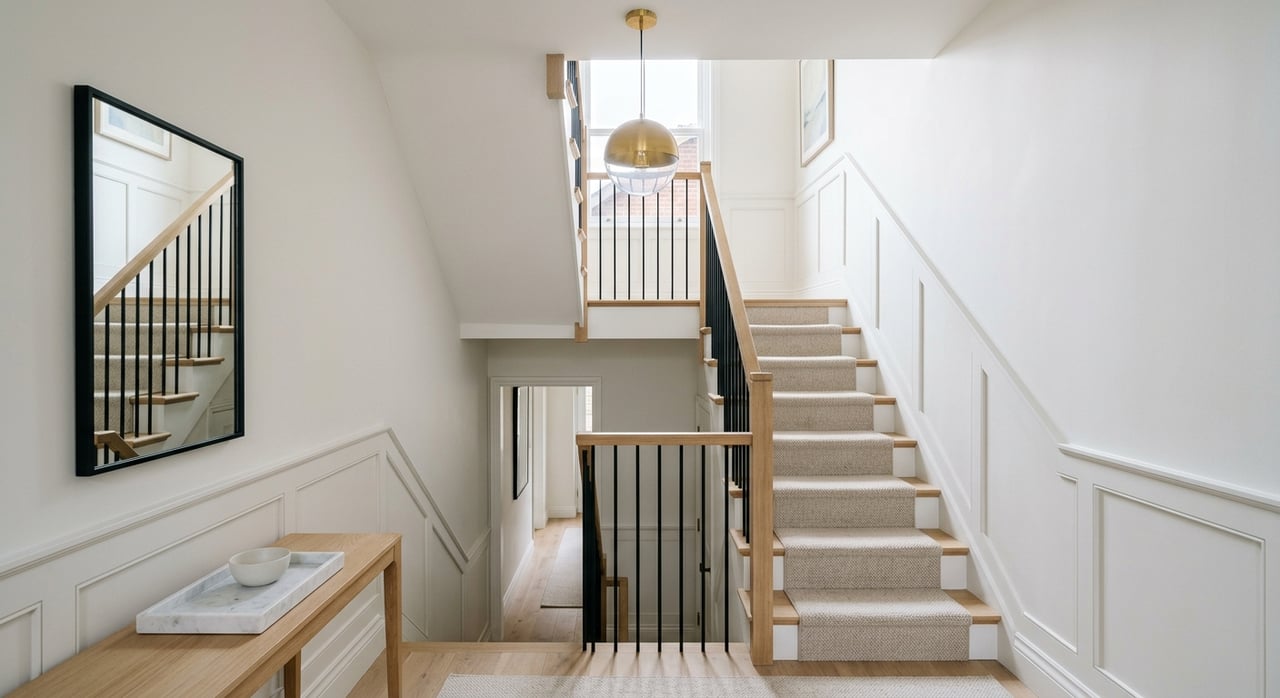
- Refinish hardwoods to unify the main level and brighten with layered lighting.
- Pair a cabinet refresh with new counters and a neutral backsplash to modernize the kitchen.
Townhome with a narrow kitchen
- Keep the layout efficient. Focus on bright paint, under-cabinet lighting, and slim-profile counters.
- Replace tired flooring with durable, wood-look materials for a cohesive main level.
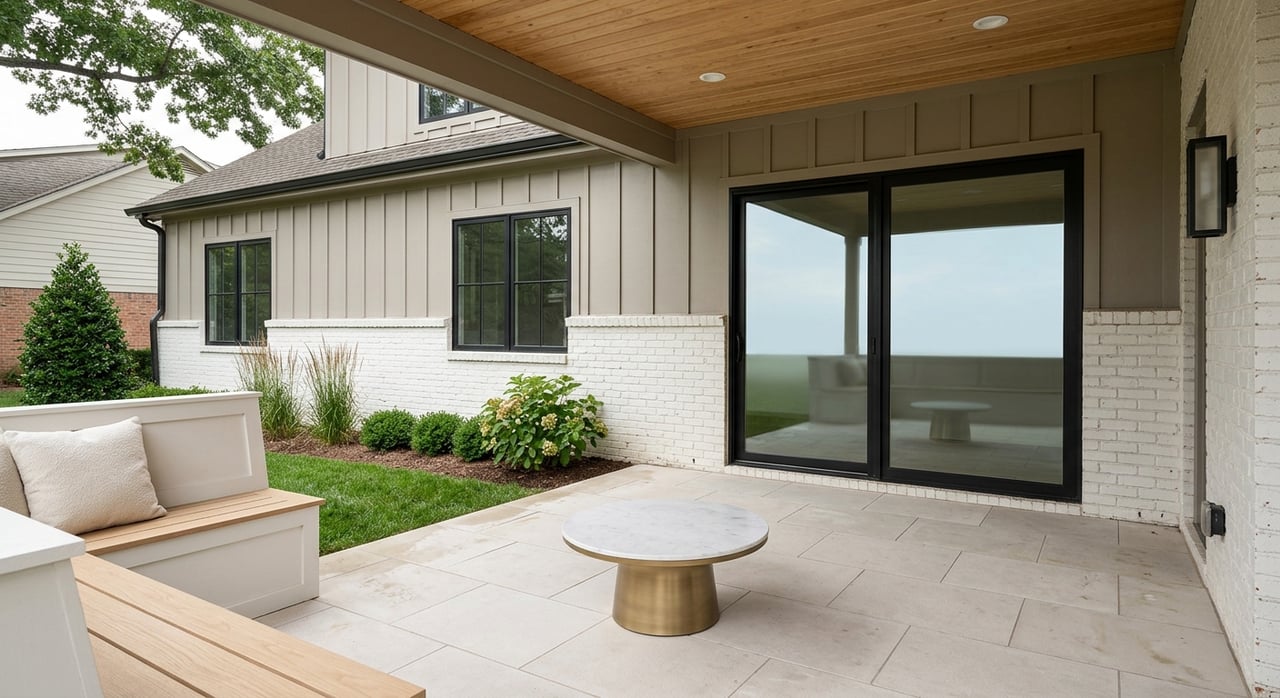
- Update the entry and deck or patio area for curb and lifestyle appeal.
Older home with good bones but dated finishes
- Lead with whole-home paint, floor refinishing, and lighting to transform the feel quickly.
- Do a bath refresh instead of a full remodel to control costs.
- Service systems and organize documentation to build buyer confidence.
Get ready for market day
Most Chantilly sellers see the best results by fixing safety or financing hurdles first, then maximizing curb appeal, paint, flooring, lighting, and a midrange kitchen refresh. These projects show beautifully online, create that move-in-ready impression buyers want, and keep your timeline and budget in check.
If you are weighing where to invest for your specific home and price target, schedule a targeted pre-list consultation. Anne C Baumgartel offers calm, step-by-step guidance, contractor coordination, and premium listing marketing so you launch with confidence. Request a free consultation & home valuation.
FAQs
Should I do a full kitchen remodel before selling in Chantilly?
- Only if you need to compete at the top of your neighborhood’s price band; most sellers see better percentage ROI and faster turnaround with a midrange kitchen refresh.
How much value does refinishing hardwood add for Fairfax County homes?
- Refinishing delivers strong visual impact, improves buyer perception, and removes an easy negotiation point when existing floors are in restorable condition.
Do I need a permit to remove a wall in a Chantilly home?
- Structural changes typically require Fairfax County permits and, in many cases, engineering review; consult the county and a licensed contractor before work begins.
When should I book contractors for a spring listing in Northern Virginia?
- As early as possible; many trades are busiest in late winter and spring, so plan 8–12 or more weeks ahead for anything beyond simple cosmetic updates.
Can better lighting and simple staging actually shorten days on market?
- Yes; well-lit, uncluttered spaces photograph better and create stronger first impressions, which often lead to more showings and reduced days on market.
What curb appeal upgrades offer quick wins for Chantilly properties?
- Tidy landscaping and mulch, power washing, a freshly painted front door, updated house numbers, and improved entry lighting provide big impact for a modest spend.