Thinking about buying a historic home in Fredericksburg, VA? You are not alone. For many buyers, the idea is exciting because these homes offer character, craftsmanship, and a sense of place that newer construction often cannot match. At the same time, an older home can come with extra research, different approval rules, and more maintenance questions. This guide will help you understand what to look for, what to verify, and how to decide if a historic home in Fredericksburg is the right fit for you. Let’s dive in.
Why Fredericksburg Historic Homes Stand Out
Fredericksburg was established in 1728, and its local historic district covers a forty-block area that includes the original fifty-acre town site. The downtown built environment spans nearly three centuries, and the oldest surviving downtown building dates to 1737.
That long history shows up in the homes and streetscapes you see today. Fredericksburg includes Colonial Vernacular, Georgian, Federal, Greek Revival, Gothic Revival, Queen Anne, and Colonial Revival architecture. According to the city handbook, Federal architecture is especially common downtown and in nearby neighborhoods.
Part of the appeal is that Fredericksburg’s historic core is still a living, working part of the city. It is not preserved as a museum piece. Historic homes and buildings continue to be adapted for modern use, and the area’s connected streets, shaded sidewalks, and mix of residential and commercial activity add to its day-to-day appeal.
What Buying a Historic Home Really Means
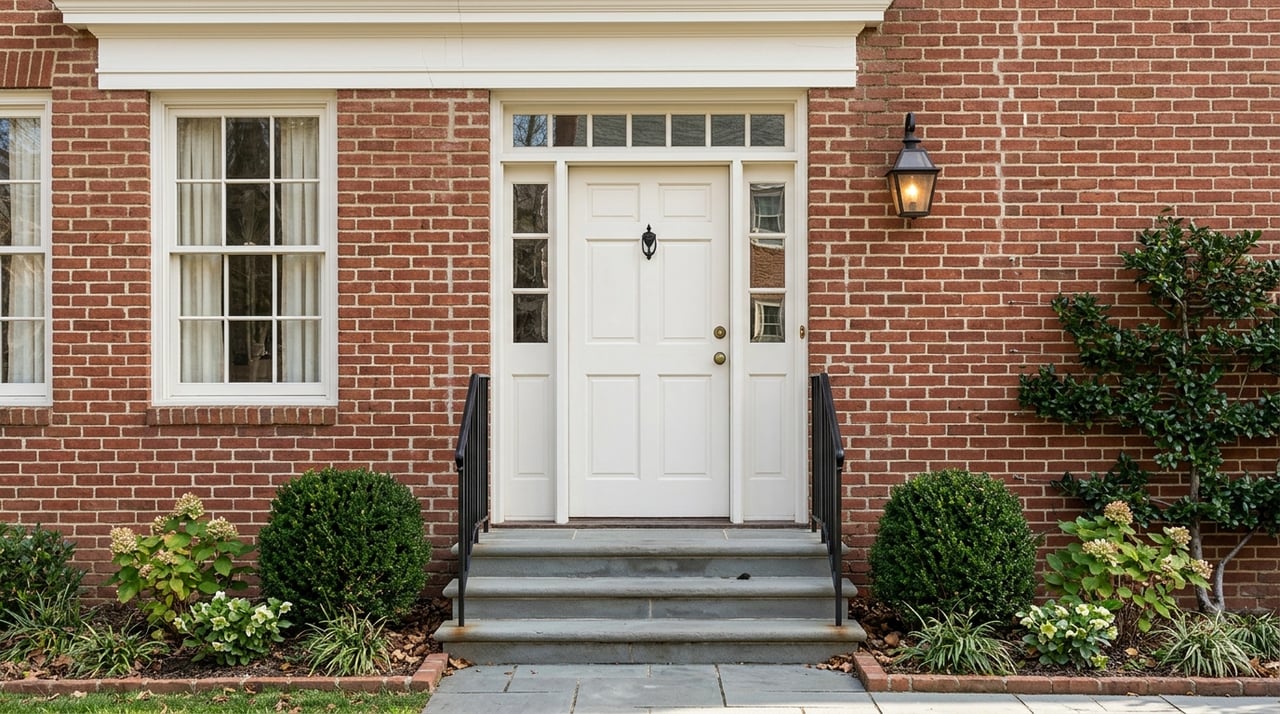
A historic home can offer details that are hard to replicate in new construction. You may find original woodwork, older brick, traditional window patterns, and architecture that reflects Fredericksburg’s long history.
But buying one also means you should look beyond charm. Older materials, older systems, and local review rules can affect your budget, your renovation plans, and your timeline. That does not make a historic property a bad choice. It simply means you need to go in with clear expectations.
In Fredericksburg, it is also important to understand that local historic-district rules are separate from National Register listing. A home’s age or historic status may influence what changes need review, especially for exterior work.
Check Historic District Rules Early
If a home is inside Fredericksburg’s Historic District, the Architectural Review Board may have a role in what can be changed on the exterior. The city requires a Certificate of Appropriateness for new construction, additions, demolition, accessory structures, signs, fences, and exterior alterations that are visible from a public right-of-way or city property.
That matters if you are already picturing a new fence, an addition, or major exterior updates. Even if the property is yours after closing, some changes may need approval before work begins.
The good news is that regular maintenance and repair typically do not require review. If there is any doubt, the city recommends contacting the Historic Resources Planner before making plans. That simple step can help you avoid delays and surprises.
Review Permit History Before You Buy
Historic review is only one part of the picture. Fredericksburg’s building code also requires permits for new construction, additions, installations, alterations or remodeling, demolition, and changes of use or occupancy. Those permits must be obtained before work starts.
For you as a buyer, that means permit history matters. If a seller says the roof, wiring, plumbing, heating, windows, or an addition was updated, it is smart to verify the paperwork.
A strong buyer file should include records for major system work, additions, and exterior changes. This can give you a clearer picture of how the home has been maintained over time and whether previous work followed city requirements.
Focus on Age-Related Inspection Priorities
Every home inspection matters, but older homes deserve extra attention in a few key areas. The goal is not to expect perfection. The goal is to understand condition, safety, and likely future costs.
Lead-Based Paint
If the home was built before 1978, lead-based paint is one of the first topics to address. The EPA says 87% of homes built before 1940 have some lead-based paint, and 24% of homes built between 1960 and 1978 do.
Lead hazards are most concerning when paint is deteriorating or when renovation work creates dust. For pre-1978 homes, you can request lead disclosures and records. If you plan future remodeling, lead-safe renovation practices should be part of your planning.
Windows and Masonry
Historic windows and masonry need a careful look because replacement is not always the best answer. The National Park Service notes that historic windows can often be repaired rather than replaced and may last for generations with regular maintenance.
Masonry is durable, but improper repairs or harsh cleaning methods can cause damage. Ask what has been repaired, what has been replaced, and whether the work matched historic materials and methods. That can tell you a lot about the quality of past upkeep.
Heating, Plumbing, Wiring, and Roofing
Older homes often differ from newer construction when it comes to major systems. Insurance guidance from the NAIC notes that older homes may require updated heating, plumbing, wiring, and roofing, and they may not qualify for preferred insurance programs.
As a buyer, you want to know not just whether systems work today, but also how old they are and what replacement timing might look like. A charming home becomes easier to enjoy when you understand the system-by-system reality before you close.
Don’t Skip Insurance and Flood Questions
Insurance can look different for a historic home than for a newer property. The NAIC notes that the cost to rebuild an older home can exceed market value, which may affect the type of policy you need and what it costs.
It is also important to remember that standard homeowners insurance does not cover flood. In Fredericksburg, that makes a parcel-specific flood check worth doing, especially for downtown or river-adjacent properties.
The city administers floodplain regulations and uses FEMA mapping. Before you buy, check the parcel’s flood designation and, if needed, the likely cost of separate flood insurance. This step can affect both your monthly budget and your comfort level with the property.
Documents to Request From the Seller
A historic home purchase usually goes more smoothly when you gather as much documentation as possible. Paperwork helps you move from guesswork to informed decision-making.
Ask for items such as:
- Permit records
- Certificates of Appropriateness
- Contractor invoices
- Roof repair or replacement paperwork
- Window repair records
- Masonry repointing records
- Prior inspection reports
- Seller disclosures
- Floodplain-related records
- Lead-related records
These documents can help you understand what has been maintained, what has been altered, and what may still need attention.
Consider Tax Credit Opportunities Carefully
Some buyers are surprised to learn there may be programs tied to qualifying historic properties. Fredericksburg offers a rehab tax credit and partial-exemption program for qualifying residential buildings in the Historic District.
Virginia’s Department of Historic Resources also administers state and federal historic rehabilitation tax credit programs for qualifying properties. Eligibility is specific, so this is something to verify on a property-by-property basis rather than assume.
If a home may qualify, that does not automatically make it the right purchase. Still, it can be a useful part of your bigger financial picture if you are planning approved rehabilitation work.
Historic Home vs. Newer Home
If you are deciding between a historic property and newer construction, it helps to compare lifestyle fit, not just style. A beautiful old home is only a good choice if it works for your budget, goals, and tolerance for maintenance.
Here are five practical questions to ask yourself:
- How much annual maintenance budget feels realistic?
- Are you comfortable with historic approvals and added timelines?
- How important are original windows, floors, brickwork, and trim to you?
- What are the likely homeowners and flood insurance costs for this parcel?
- Does downtown walkability and historic character matter more to you than a more standardized modern layout?
For some buyers, the answer is easy. If you value architectural character, original materials, and a strong sense of place, Fredericksburg’s historic homes may be a great match.
For others, newer construction may fit better. If you want lower day-to-day maintenance, more predictable system replacement, and fewer approval questions, a newer home can offer a simpler ownership experience. Even then, remember that newer construction inside the historic overlay may still require Architectural Review Board review.
Use Fredericksburg’s Local Resources
One of the most helpful tools available to buyers is the city’s Historic District Handbook. It explains overlay zoning, renovation guidance, and the architectural history of the area.
For a buyer, this kind of local resource is valuable because it shows how Fredericksburg expects historic properties to be maintained and altered over time. When you are comparing homes, it can help you understand not just what a property is, but what ownership may look like after closing.
Buy With a Clear Plan
Buying a historic home in Fredericksburg can be deeply rewarding, but it is rarely a purchase you want to make on charm alone. The right approach is to balance emotion with due diligence.
When you review district rules early, verify permits, study inspection findings, and price out insurance and possible maintenance, you put yourself in a much stronger position. That kind of preparation helps you enjoy the character of an older home with more confidence and fewer surprises.
If you are exploring historic homes in Fredericksburg and want calm, detail-focused guidance through the process, Anne C Baumgartel can help you evaluate your options and move forward with clarity.
FAQs
What makes a home historic in Fredericksburg, VA?
- In Fredericksburg, many older homes are located in or near the city’s Historic District, a forty-block area that includes the original town site. Local historic-district rules are separate from National Register listing, so a home’s location and applicable city review rules matter.
What exterior changes require review for a Fredericksburg historic home?
- Inside the Historic District, the Architectural Review Board requires a Certificate of Appropriateness for new construction, additions, demolition, accessory structures, signs, fences, and exterior changes visible from a public right-of-way or city property.
What should you inspect first when buying an older home in Fredericksburg?
- Focus on lead-based paint risk for pre-1978 homes, the condition of windows and masonry, and the age and condition of heating, plumbing, wiring, and roofing.
Why does flood risk matter for historic homes in Fredericksburg?
- Fredericksburg administers floodplain regulations and uses FEMA mapping, so a parcel-specific flood check is important, especially for downtown or river-adjacent properties. Standard homeowners insurance does not include flood coverage.
What records should you request before buying a Fredericksburg historic home?
- Ask for permit records, Certificates of Appropriateness, contractor invoices, roof and window repair paperwork, masonry records, prior inspection reports, seller disclosures, and any available floodplain or lead-related documents.
Are there tax credit programs for historic homes in Fredericksburg?
- Fredericksburg has a rehab tax credit and partial-exemption program for qualifying residential buildings in the Historic District, and Virginia also administers historic rehabilitation tax credit programs for qualifying properties. Eligibility should be verified for the specific home you are considering.